

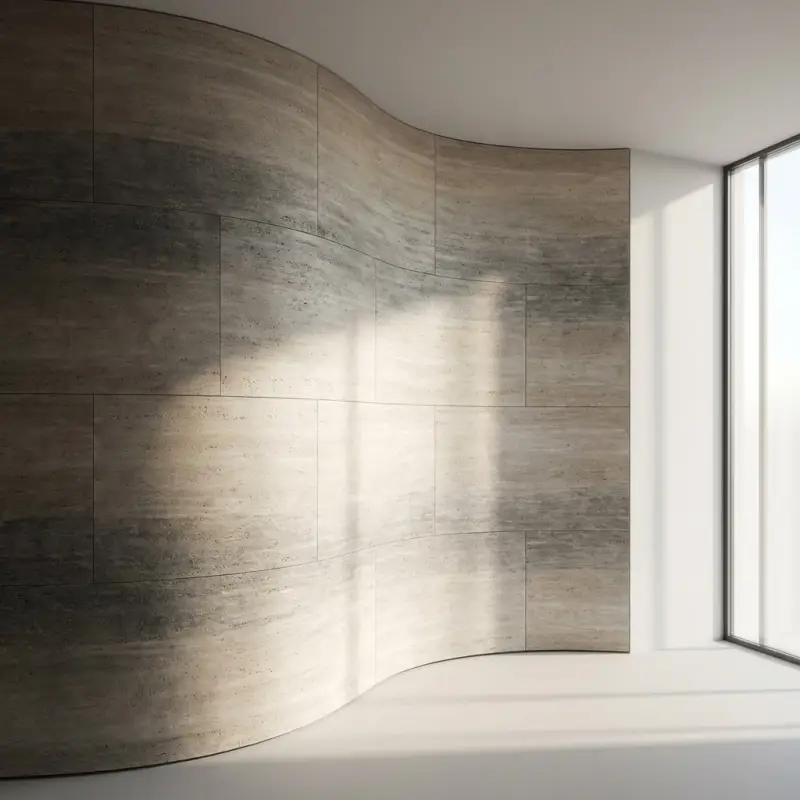
When light hits a textured surface, a wall stops being a boundary: it becomes an experience. In 2025, architects are discovering that this transformation doesn't require the weight of tradition. The shift towards lightweight stone panels represents more than material innovation; it's a fundamental rethinking of how we articulate space, texture, and environmental responsibility in contemporary design.
The architectural community is witnessing a quiet revolution. From Toronto's glass towers to Vancouver's sustainable housing projects, designers are replacing traditional stone veneer with ECO-FLEXI MCM brand of Flexible Natural Stone by Angkop Corp. This transition reflects bigger changes in how we approach material intelligence, structural efficiency, and design flexibility.
The Composition Revolution
Traditional stone veneer has dominated architectural surfaces for centuries, relying on quarried stone cut into rigid sheets or manufactured cement-based alternatives. These materials, whilst proven, carry inherent limitations that constrain modern design thinking.
ECO-FLEXI MCM brand of Flexible Natural Stone represents a material intelligence breakthrough. Composed of natural stone powder, such as limestone, quartz, or slate, combined with modified clay and reinforced with dual-mesh fibreglass backing, these panels maintain the authentic character of stone while introducing unprecedented flexibility. The fibreglass backing provides integrated moisture barriers and fire-rated protection, transforming surface application into comprehensive building performance.

This composition enables what traditional stone cannot: the ability to wrap columns, follow curved geometries, and adapt to complex architectural forms without compromising structural integrity or visual authenticity.
Performance Architecture: A Material Comparison
The performance gap between lightweight stone panels and traditional veneer extends far beyond simple weight reduction:
Weight and Structural Impact
ECO-FLEXI MCM panels weigh 1-2 pounds per square foot, compared to traditional stone veneer's 7-20+ pounds. This difference fundamentally transforms project economics and structural requirements. Traditional stone often necessitates foundation reinforcement, specialized equipment, and enhanced structural support systems: costs that can double foundation budgets.
Installation Velocity
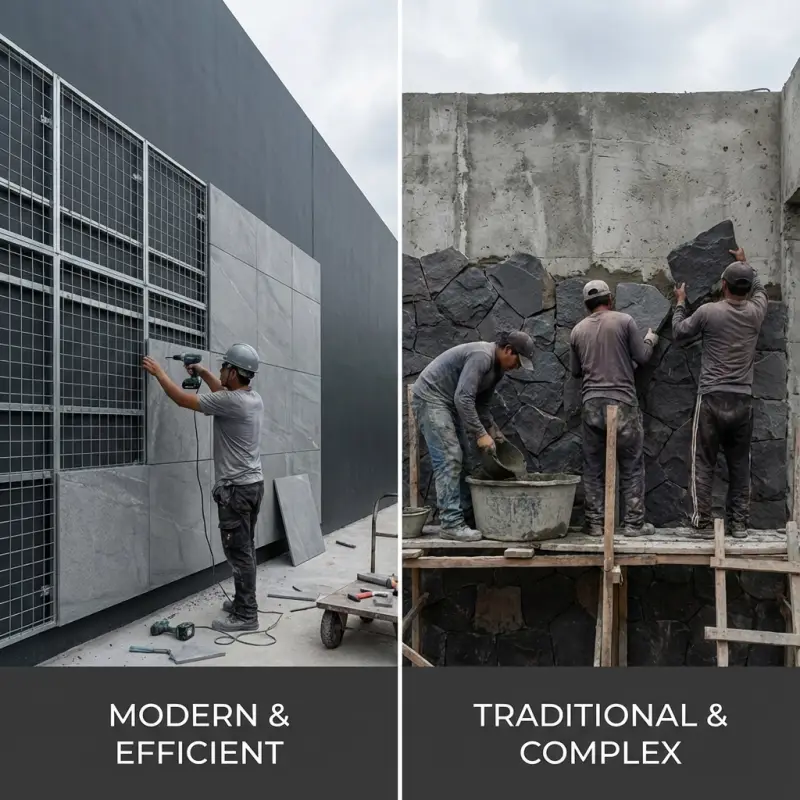
Where traditional stone installation suffers from weather-dependent delays and requires specialised masonry expertise, ECO-FLEXI MCM panels enable weather-resistant installation by standard trade crews. This shift represents more than efficiency; it's about project predictability and timeline integrity.
Design Flexibility
Perhaps the most significant architectural advantage lies in spatial adaptation. Flexible stone panels accommodate curved surfaces, wrap architectural elements, and enable geometric complexity that rigid stone cannot achieve. For contemporary design requiring flowing forms and seamless transitions, flexible panels become the only practical solution.
Structural Lightness, Design Freedom
The architectural implications of reduced weight extend beyond cost savings into design possibility. Traditional stone veneer constrains architects to flat applications and requires substantial structural accommodation. ECO-FLEXI MCM panels liberate design thinking from these constraints.
Consider curved facades, rounded corners, or complex geometric patterns: applications where traditional stone becomes prohibitively complex or impossible. Flexible panels transform these design challenges into standard practice, enabling architects to pursue their vision without material limitations.
The installation methodology reflects this liberation. Standard adhesion and mechanical fastening replace complex mortar systems and specialised installation requirements. Projects maintain schedule integrity regardless of weather conditions, whilst installation quality remains consistent across varied site conditions.
Surface Articulation and Aesthetic Integrity
Critics might question whether lightweight panels maintain the authentic character that makes stone appealing. The answer lies in understanding that authenticity isn't about weight: it's about truth to material and visual integrity.
ECO-FLEXI MCM panels retain the essential qualities that make stone compelling: natural texture variation, light interaction, and tactile richness. The natural stone powder composition ensures authentic mineral character, whilst the flexible backing enables applications that solid stone cannot achieve.
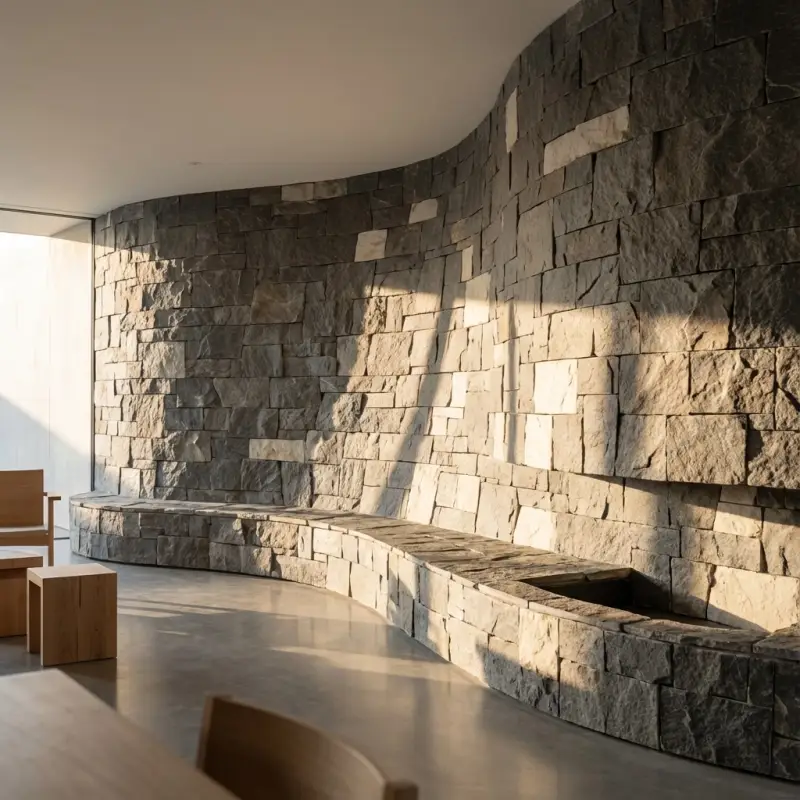
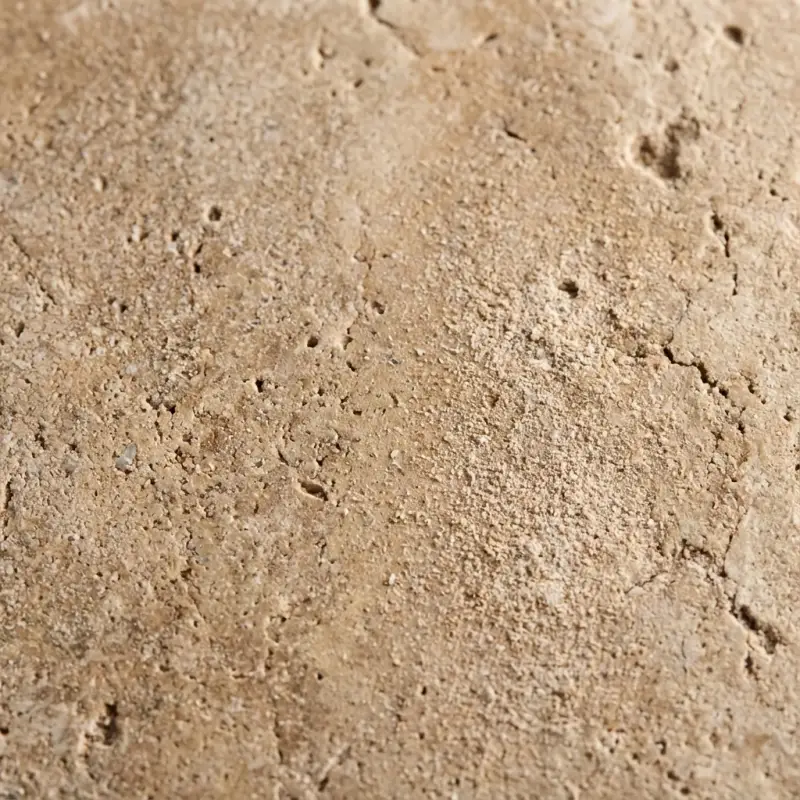
The available collections: Lithos, Megas, and Stratos: offer comprehensive texture palettes from subtle travertine characteristics to bold granite expressions. Each maintains the visual rhythm and material intelligence that contemporary design demands.
Environmental Intelligence and Sustainability
In 2025, material selection increasingly reflects environmental consciousness and carbon impact consideration. ECO-FLEXI MCM panels demonstrate superior environmental performance across multiple metrics:
Resource Efficiency: Achieving identical aesthetic results requires 60% less material usage compared to traditional stone applications.
Transportation Impact: Lightweight composition generates 40% lower transportation emissions, significantly reducing project carbon footprints.
Installation Energy: Weather-independent installation and simplified methodology reduce energy consumption during construction phases.
Recycled Content: Panels incorporate recycled stone content, contributing to circular material economy principles.
End-of-Life Considerations: Fully recyclable panel systems support sustainable building practices and material recovery.
Durability and Performance Longevity
Traditional stone veneer benefits from centuries of proven performance, establishing durability expectations that new materials must meet. High-quality ECO-FLEXI MCM panels offer considerable lifespans with integrated advantages that traditional stone cannot provide.
The fibreglass backing system provides superior moisture management compared to traditional stone installations, which rely on external drainage systems and are vulnerable to moisture infiltration. Fire-rated performance adds safety considerations that traditional stone doesn't inherently provide.
Whilst manufactured stone veneer demonstrates durability advantages over foam-based alternatives, ECO-FLEXI MCM panels perform better than traditional thin stone veneer, which proves susceptible to cracking and chipping under stress.
Economic Intelligence and Project Value
The economic advantages of lightweight stone panels extend beyond initial material costs into comprehensive project value:
Labour Efficiency: Standard trade installation eliminates premium wages for specialized masonry crews.
Equipment Reduction: Lightweight materials reduce heavy lifting equipment requirements and associated rental costs.
Timeline Predictability: Weather-independent installation prevents costly project delays.
Structural Savings: Reduced structural requirements eliminate foundation reinforcement and support system costs.
Application Scenarios and Design Decisions
Choose the ECO-FLEXI MCM brand of Flexible Natural Stone when:
- Project timelines demand weather-independent installation
- Design requires curved or complex geometric applications
- Budget constraints affect both material and labour allocations
- Structural limitations prevent heavy stone installation
- Sustainability goals include reduced environmental impact
- Installation must proceed with standard trade crews
Consider traditional stone tiles when:
- Maximum longevity and proven performance are paramount
- Full bed stone thermal properties benefit the application
- Project budgets accommodate premium material and specialized labour
- Design is limited to flat surfaces compatible with rigid installation
- Historical authenticity or specific preservation requirements apply
The Future of Surface Design
The architectural shift towards lightweight stone panels reflects broader changes in how we conceive material intelligence and design possibility. As projects increasingly demand flexibility, sustainability, and installation efficiency, traditional rigid materials face fundamental limitations.
ECO-FLEXI MCM brand of Flexible Natural Stone by Angkop Corp represents more than material innovation: it's design liberation. By maintaining stone's essential character whilst introducing unprecedented flexibility and performance advantages, these panels enable architects to pursue their vision without compromise.
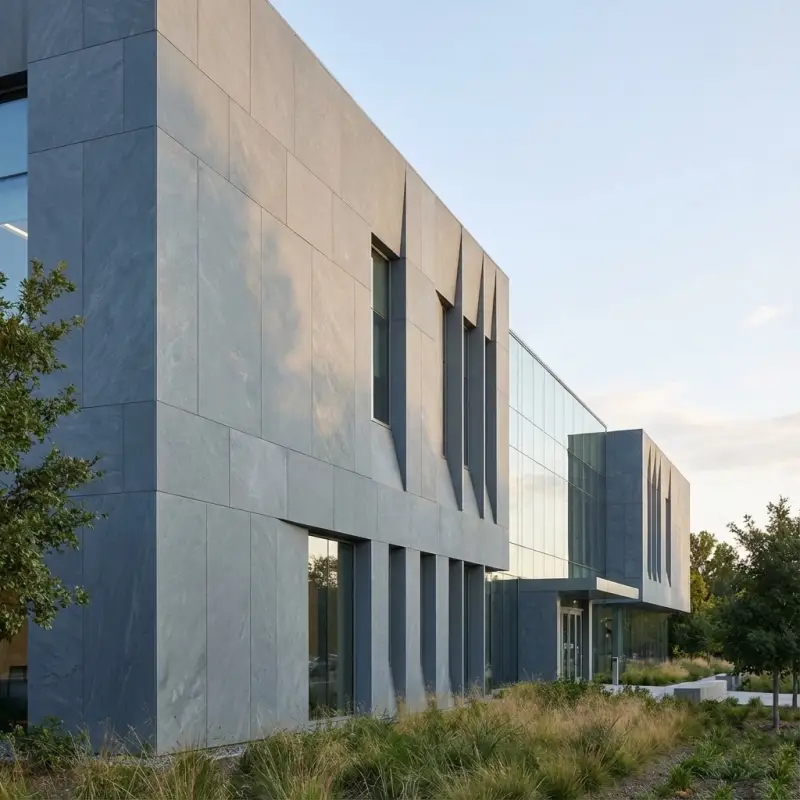
For architects seeking to balance authentic material character with contemporary performance demands, the choice becomes clear. Lightweight stone panels don't replace traditional stone's aesthetic appeal: they enhance it with capabilities that rigid materials cannot provide.
The question isn't whether architects will continue adopting lightweight stone panels in 2025, but how quickly the industry will recognize that authentic stone character and flexible performance represent the future of surface articulation.
Explore the complete collection at angkop.ca and discover how ECO-FLEXI MCM brand of Flexible Natural Stone can transform your next project from constrained by tradition to liberated by possibility.
Add comment
Comments